Stop Losing Leads: 15 Ways to Boost Your Website Conversion Rate

You can have the slickest website, the strongest brand, and buckets of traffic. But if visitors aren’t taking action, you just have a digital billboard, not a business tool.
The good news is that boosting your conversion rate doesn’t always mean starting from scratch. Often, it’s about making a few focused changes to improve your site.
Let’s dive into what this looks like in practice.
Why Do Conversion Rates Matter?
Your conversion rate is the percentage of people who take action on your site, whether that’s to fill in a form, make a purchase, book a demo, or download a guide.
Conversion rates tell you how well your website turns interest into action.
A strong rate means your website is doing its job, your messaging is clear, and your user experience is memorable. All these factors work together to guide people down the sales funnel.
Improving your conversion rate means getting more value from the traffic you already have, helping to increase your leads, sales, and ROI.
15 Ways to Optimise Your Website Conversions
1. Nail your above-the-fold content
Website visitors decide whether they want to stay or exit your website within seconds.
This means your content above the fold needs to do the heavy lifting, clearly communicating who you are, what you offer, and why visitors should care.
Say what you do, fast: Be clear, ditch the jargon and make your message obvious at a glance.
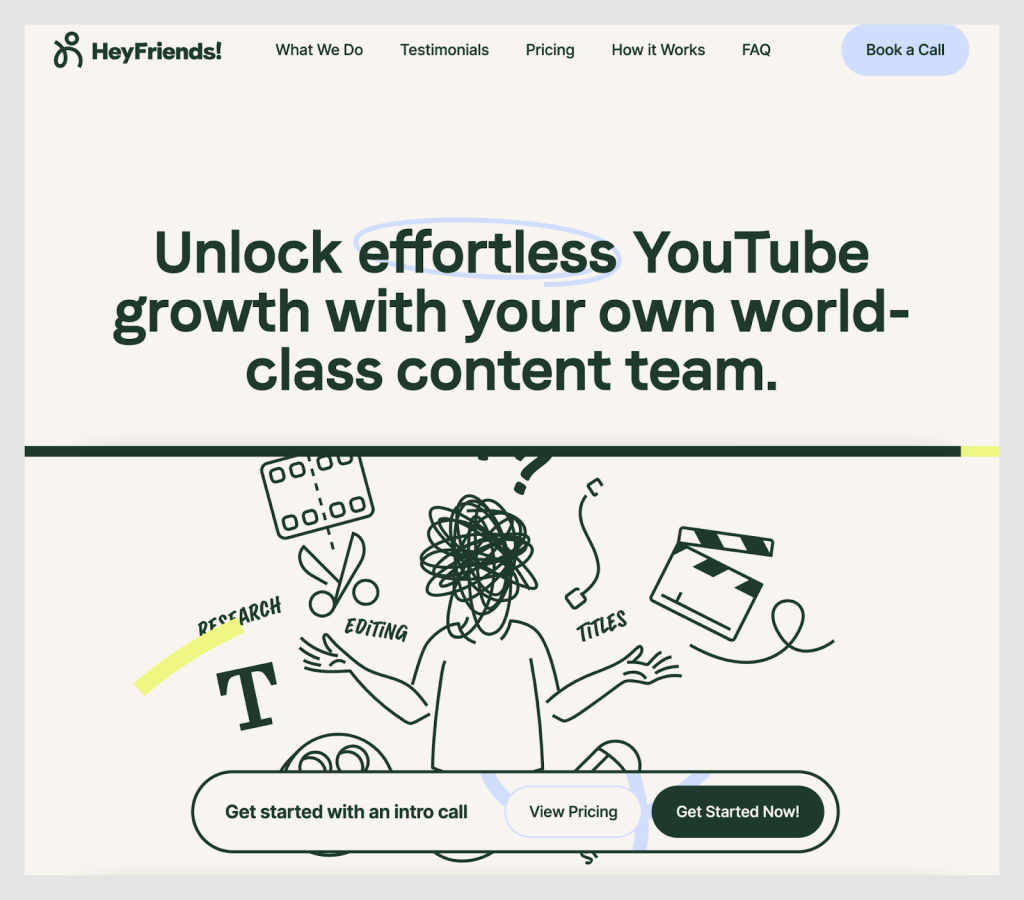
2. Write a strong headline and subheading
Your headline should clearly state your value proposition, and your subheading should offer a bit more context or a key benefit of using your product or service.
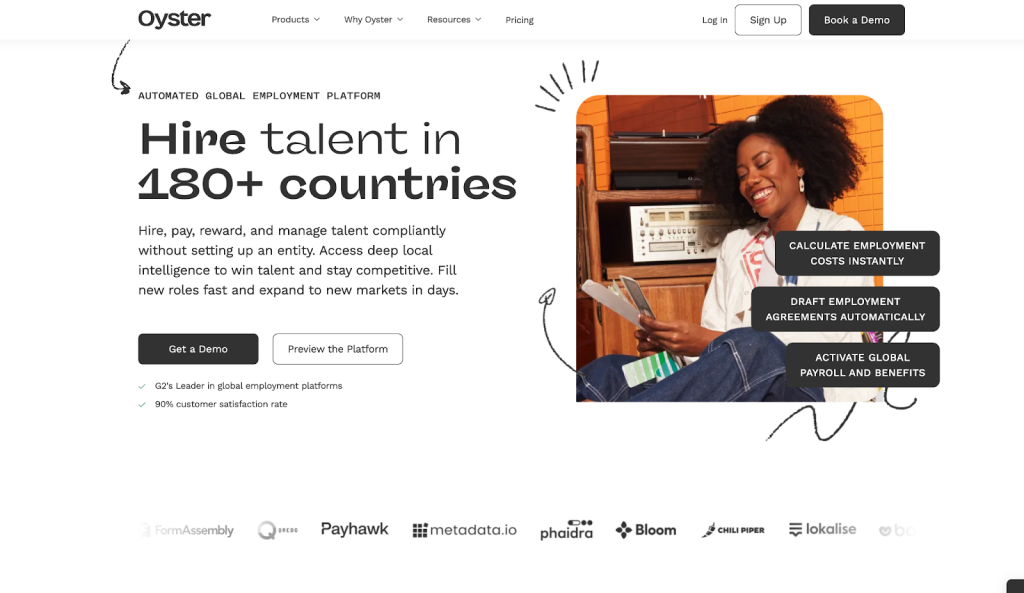
3. Use a compelling hero image
What users see before scrolling should tell the full story, visually and verbally.
Choose an image that aligns with your message and target audience, whether it’s someone using your product or a bold graphic.
But try to avoid generic stock photos as they can feel cold and inauthentic.
4. Use pictures of people
Photos of real people create an emotional connection and help humanise your brand.
Where possible, use photos of your team or clients rather than stock imagery. It builds trust and makes your brand feel more approachable.
5. Utilise video content
A short explainer video or product walkthrough can increase engagement and improve clarity without relying on long copy.
Place videos above the fold or near conversion points to increase impact. Include captions, if necessary, as many people tend to watch videos with the sound off.
6. Improve your call to action (CTA)
Your CTA is what turns visitors into leads. That’s why it needs to be clear, benefit-driven, and easy to spot.
Avoid vague phrases like “Submit” or “Learn more” without context. Instead, go for action-oriented language outcomes like:
- “Book a Free Consultation”
- “Download the Strategy Guide”
- “Get a Quote”
- “Get a Free Trial”
Remember to make your CTA visible throughout instead of hiding it in the footer. Use contrasting colours for your CTA buttons to make them stand out.
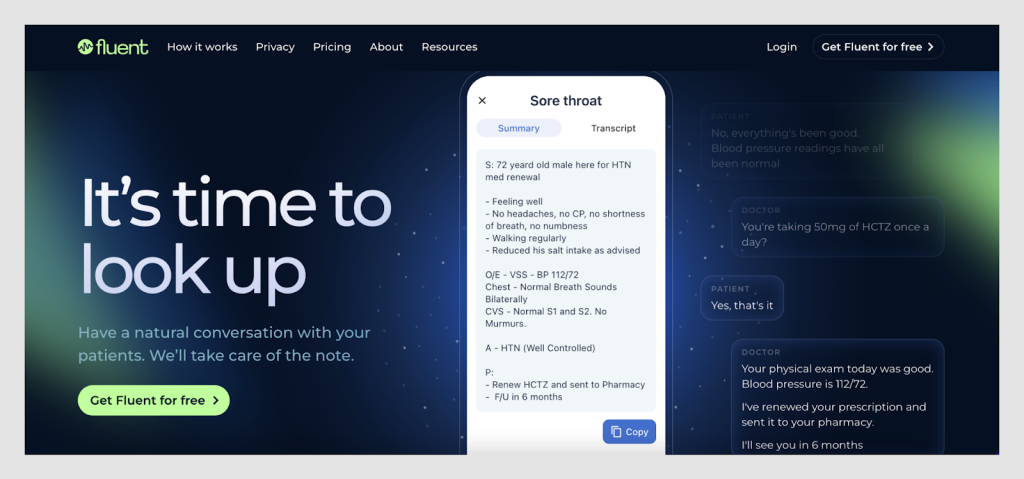
7. Create a sense of urgency
You can also use your CTA buttons and above-the-fold copy to create a sense of urgency and encourage quicker action.
Think phrases like “Limited spots available” or “Offer ends this Friday.”
8. Build trust without bragging
If someone’s on your site for the first time, they’re asking one thing: “Can I trust you?”
Trust indicators like testimonials, client logos, case studies, and reviews go a long way. It’s even better if they’re specific and relevant, like actual results or relatable stories.
9. Support visitor interactions with a chatbot
Supporting visitor interactions with a helpful, well-timed chatbot also helps to build trust.
Use a chatbot that can answer questions, reduce friction, and guide users to the right page or action. Make sure it doesn’t pop up too aggressively or block mobile users’ view.
10. Optimise for mobile
64% of web traffic comes from mobile. That means if your site isn’t mobile-friendly, you’re losing conversions before you’ve even had a chance.
Make sure your buttons are easily tappable, text is easy to read, and forms don’t require a magnifying glass.
11. Improve page load speed
Load times matter across devices. Anything that takes longer than three seconds will cause people to bounce.
Use tools like Google PageSpeed to identify issues that cause pages to lag and compress images or code that may be slowing things down.
12. Align your landing page messaging with your ad copy
Consistency builds confidence. Make sure the headline, imagery, and tone of your landing page deliver on the promise made in your ad.
If someone clicks on an ad for “affordable legal advice” and lands on a generic homepage about “solutions that scale,” they’ll lose trust instantly.
13. Create winning pages with A/B testing
Try out different headlines, layouts, CTAs, or even images to see what drives more conversions. Let the data guide your decisions.
Start with small tests, like changing button text or colours, and expand from there. A/B testing removes guesswork and helps you build pages based on what actually works
14. Experiment with form fields
Form performance can vary depending on placement, length, or even field labels.
Short forms tend to convert better, but the right qualifying questions can improve lead quality. Test one thing at a time to see what works for your audience.

15. Simplify the experience
A busy, noisy website is a conversion killer. Every page should have one clear goal, whether that’s getting someone to book a demo or download a resource.
Once you’ve defined those goals, make sure the on-page content supports them. Use whitespace to your advantage, break up long blocks of copy, and guide your visitors’ attention.
Turn Small Tweaks into Big Wins
Most businesses don’t need more traffic. They just need a site that can actually convert the visitors they already have.
At Barrk, we help businesses turn their websites into hardworking sales tools. From strategic tweaks to full-scale optimisation, we’ll help you get more value from every click.
Get in touch to learn more!