
The B2C-ification of B2B Marketing

Have you wondered why your LinkedIn feed is suddenly filled with memes and holiday pictures from your professional network?
Or why you can now see the intricate behind-the-scenes processes of almost any business on TikTok?
This is the B2C-ification of B2B in real-time, where businesses are leaning into increasingly human-centred, emotive, and relatable storytelling, no matter what they’re selling. And it’s changing the game for B2B marketers.
In this blog, we look at how B2C thinking is reshaping the B2B space, why it matters, and how to make sure your brand doesn’t get left behind.
The B2B Landscape is Changing, Fast
B2B marketing used to be all logic, no fluff. Messaging was rational, corporate, and aimed at meeting business objectives.
But that’s shifting. Smart marketers are realising that they’re actually selling to real people who want to feel seen, understood and connected to a brand.
One of the biggest drivers of this shift is digital customer experience (CX) becoming a greater focal point.
B2B buyers are now expecting the same seamless, personalised, intuitive experiences they get in their personal lives. This means that if your brand feels clunky, cold, or outdated, you’ve already lost your audience.
To win loyalty, B2B marketing needs to feel more human. That means better storytelling, more empathy, and a focus on real human connection.
How B2C is Influencing B2B
B2B is taking a page from the B2C playbook by increasingly tapping into the power of social media marketing, meeting people where they are most active online. Here’s what that’s looked like so far:
1. Influencer marketing and thought leadership
B2B marketers have started seeing the value of how influencers can build brand awareness and trust.
For example, LinkedIn was once a purely professional networking platform, but today it’s buzzing with influencers who are essential for shaping industry trends.
Beyond that, users are looking for less polished and more relatable content on the platform that shows the human heart behind your brand.
Whether it’s through a meme, funny video, or BTS content, emotion and relatability sell!
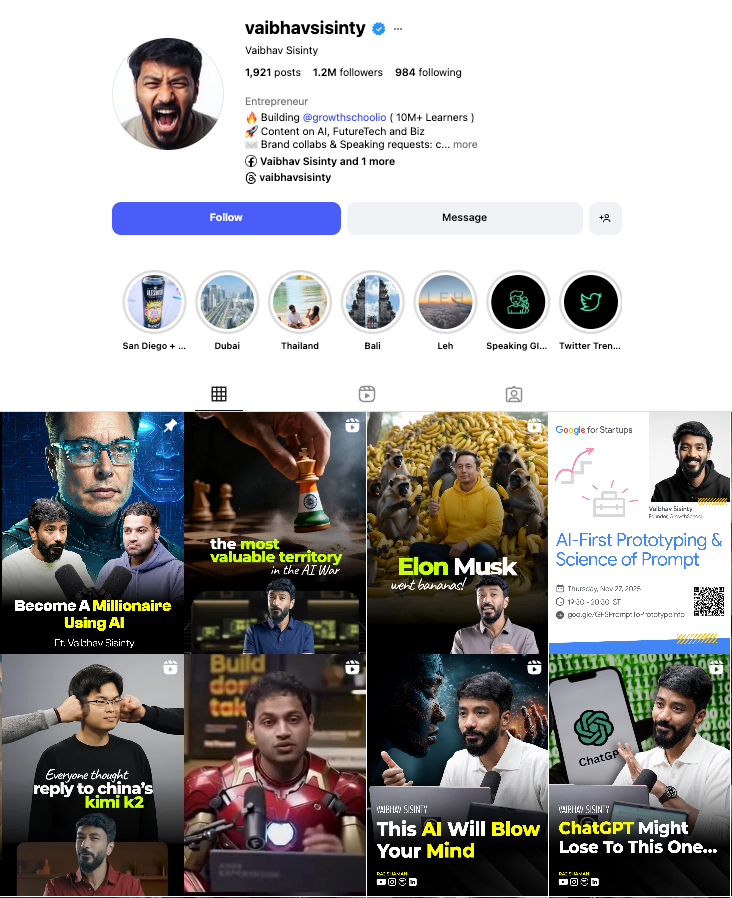
For example, this creator is a B2B influencer who specialises in offering business advice to both individuals and larger corporations.
B2B marketing is traditionally formal and logic-based. Vaibhav flips this by marketing to the human behind the business using B2C (Business-to-Consumer) psychological triggers.
2. Short-form videos and reels
84% of marketers have said that video has helped them increase traffic to their website.
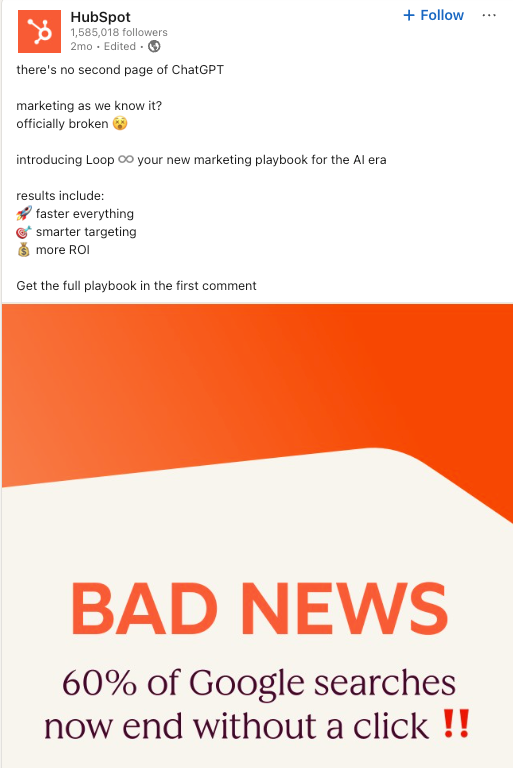
But B2B companies are catching up, too. Platforms like HubSpot now use short-form videos on LinkedIn and Instagram to share tips, news, and thought leadership.
This makes complex content and ideas more easily digestible, resonating with professional audiences and beginners alike.
But they’re also not afraid to hop on trends to diversify their content and connect with their audience on a different level. This helps their brand stand out and stay top-of-mind.
For example, HubSpot flips this by marketing to the human behind the business using B2C (Business-to-Consumer) psychological triggers like using fun character profiles to sell empathy alongside more business-focused content like hacking AI search.

3. Interactive content
A common engagement strategy in B2C is to use interactive content like polls, Q&A sessions, and live video.
In B2B, this can include utilising things like webinars, live Q&As, or events where it feels more like a conversation than a sales pitch.
For example, LinkedIn Live has become a go-to space where many B2B brands are building interactive experiences.
How Can You B2C-ify Your Business?
Start with a reality check: Know your audience
Before you shake things up, you need to have clarity on who you’re talking to and how they are experiencing your brand.
Take a good look at customer experiences across all platforms and identify where issues are popping up.
The better you understand your customer’s journey and expectations, the smarter your B2C strategy decisions will be.
Go all in on digital
The next step is embracing digital transformation. Think AI, CRM systems, and data analytics. Look at tools that simplify your processes and help you respond faster.
Ensure your platform is mobile-friendly, intuitive, and set up for an omnichannel approach.
This digital-first mindset will help you create a more engaging, efficient experience that feels relatable and human-centred.
Pull your team in to help
B2C-ifying your brand requires your whole team. Start by showing them the importance of a customer-centric approach and how B2C practices can benefit your business.
Then, open the floor to their ideas. Your team are customers too; they’ve got ideas, trends, and real-world insights that can help you connect to your audience in ways you might never have considered before.
Step into the Future of B2B with Barrk
B2C-ification is slowly becoming the new standard for B2B brands that want to stay sharp, human, and ahead of the game.
Whether you need a complete digital marketing overhaul or just want to fine-tune your existing strategies, Barrk can help. Reach out to our team today to learn more.