
The Future of Marketing: What’s Coming in 2026

Hold onto your digital hats, marketers!
The world of content, engagement, and audience connection is about to get a whole lot more interesting in 2026. While technology (especially AI) makes it easier to churn out content, it’s also throwing us curveballs when it comes to authenticity and ethics. So, what’s the secret to surviving (and thriving) in this brave new marketing world?
Simple: the brands that succeed in 2026 will be the ones who tap into cutting-edge tools with creativity and heart while keeping their core values at the centre of their content.
As consumers get savvier and demand more meaningful interactions, businesses will need to create content that entertains, educates, and informs, without it feeling like an old-school ad. The brands that pull this off will focus on building trust, staying authentic, and fostering genuine connections.
Let’s dive into the 2026 trends you can’t afford to ignore.
1. Authentic Storytelling in the AI Era
Trust is the new gold in 2026.
Everyone’s getting flooded with synthetic voices, AI-generated faces, and machine-made content. And guess what? The younger generations are already ahead of the game. They want transparency, especially when it comes to AI.
So, instead of hiding behind the curtain of automation, brands need to own it. Be upfront about how AI fits into your storytelling process – and, most importantly, ensure the content still feels human.
- Transparency is key: Show your audience how AI plays a role in your storytelling.
- Stay human-centred: AI-driven content should still feel relatable and authentic.
- Build trust: The more transparent you are about AI, the stronger the connection with your audience.
Key takeaway: Embrace AI with transparency, and keep your storytelling human-centred. Authenticity is the real deal.
2. Creative Use of AI in Content
AI isn’t just a time-saver anymore; it’s a creative powerhouse. Social media feeds are getting more crowded, and standing out is a must.
Enter AI: tools like DALL·E are revolutionising content creation, enabling brands to craft stunning visuals with minimal input. AI is now a creative sidekick that knows how to make an impact.
- AI-powered visuals: Use tools like DALL·E to create eye-catching, custom visuals that stand out.
- Personalised content: Deliver messages that feel tailored to each user.
- Dynamic videos: Harness AI-driven video tools to create highly engaging, interactive content.
Key takeaway: Use AI for creative experimentation to craft content that stops the scroll and sparks conversations.
Embed – https://www.instagram.com/reel/DO9Uve4j24u/?igsh=MXZ0bHdtazhubGxpbA==
AI magic in action in a social post by Canal de Panamá
3. Ephemeral Content’s Power
Short-lived, ephemeral content, like Instagram Stories, TikTok videos, and Snapchat posts, remains a powerful tool for creating real-time engagement. Ephemeral content creates that perfect mix of urgency and exclusivity – your audience knows it’s here for a good time, not a long time.
- Create urgency: Encourage your audience to engage with content before it disappears.
- Keep it real: Ephemeral content is often more authentic and less polished.
- Behind-the-scenes: Use Stories and temporary posts for a glimpse into your brand’s world.
Key Takeaway: Use ephemeral content to keep your audience engaged and create a sense of exclusivity that drives action.
4. Focus on Micro-Influencers
2026 will be the year of the micro-influencer. You know, the creators with tight-knit, engaged communities that actually trust them. While big-name celebrities are so last decade, micro-influencers are making waves. Nearly 75% of agencies believe micro-influencers will deliver more impact than celebrities in 2026.
- Personal connection: Micro-influencers offer more relatable, genuine engagement.
- Targeted impact: Their smaller communities enable more targeted messaging.
- Long-term relationships: Build sustained partnerships rather than one-off collaborations.
Key Takeaway: To build stronger, more authentic connections, partner with micro-influencers whose voices resonate with your target audience.
5. Brands as Creators
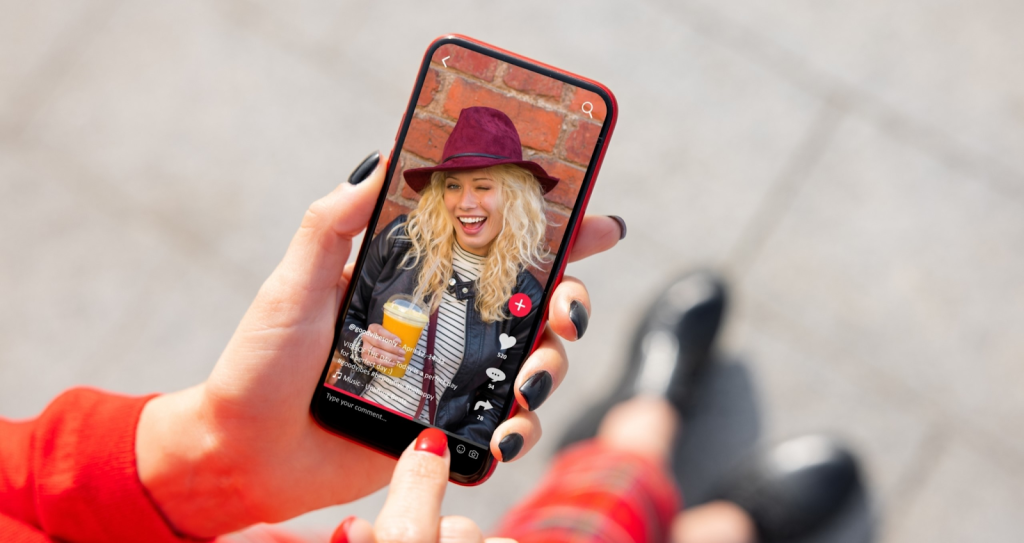
The days of bland, traditional ads are officially numbered. In 2026, brands will ditch the polished promos and think like creators. Social media users are fed up with the same old corporate fluff.
61% of people trust creators and only 38% trust brand content. To combat this fatigue, brands will need to think more like content creators and less like advertisers.
- Authenticity over polish: Raw, unfiltered content will outperform highly produced ads.
- Entertainment over sales: Give your audience something to enjoy, not just buy.
- Content creator mindset: Think less like an advertiser and more like a storyteller.
Key Takeaway: To connect with today’s audience, create content that feels real and engaging, not like a traditional ad.
6. TikTok Dominates Further
TikTok is still riding high, with over 1 billion users and millions of new sign-ups each year. In 2026, expect more brands to fully embrace TikTok’s short-form video content as a key part of their marketing strategy.
- Short-form video: TikTok’s format makes it perfect for engaging, snackable content.
- High engagement: TikTok’s audience is highly active and interactive.
- Ad platform growth: TikTok’s ad offerings are maturing, making it a serious player.
Key Takeaway: TikTok is set to become a major player, rivalling Google and Meta. Make TikTok a core part of your 2026 strategy and ride the wave of short, punchy content to a wide audience.
7. Brand Building for the Long Haul
Forget the quick wins.
2026 will be all about long-term brand building. With social media becoming more crowded, brands that focus on consistent messaging and delivering value year-round will win the long game. Whether you’re entertaining, educating, or inspiring, the goal is to show up consistently with content that nurtures ongoing connections.
- Consistency is key: Regular, value-driven content builds trust and recognition.
- Clear brand narrative: Maintain a cohesive brand story that resonates over time.
- Ongoing value: Deliver content that continues to entertain, educate, or inspire.
Key Takeaway: Invest in your brand’s future by staying visible and providing lasting value – your audience will thank you.
8. Chatbots for Customer Support
Chatbots have become an essential tool for improving customer experience. With consumers expecting faster service and personalised interactions, chatbots will help brands deliver timely support and reduce wait times.
- 24/7 availability: Chatbots offer around-the-clock support for your customers.
- Personalised assistance: Use AI to tailor responses and improve user experience.
- Enhanced efficiency: Automate responses to common inquiries and reduce wait times.
Key Takeaway: Use chatbots to enhance customer service, making interactions faster, easier, and more personalised.
9. Supporting Digital Wellness
Digital fatigue is real, folks. And as more people seek balance and mental wellness, brands need to step up and respect their audience’s need for a healthy online experience.
Mentions of anxiety in social media and mental health conversations are up 25%. Consumers are looking for brands that respect their need for balance, creating opportunities for marketers to engage in a more meaningful way.
- Promote balance: Offer content that encourages mindfulness and offline experiences.
- Support mental health: Incorporate wellness-focused campaigns into your brand messaging.
- Create a healthier online space: Respect your audience’s need for digital detox and well-being.
Key Takeaway: Acknowledge digital wellness and create content that promotes mental health and balance, building trust and stronger relationships with your audience.
10. Google’s Project Mariner
Google is shaking things up with its first-ever AI agent, Project Mariner.
This Chrome extension is designed to automate a variety of web tasks right in your browser. It works by taking screenshots of your screen, sending them to Gemini 2.0 in the cloud for processing, and then using Gemini to guide your browser to perform tasks like searching for items or filling out forms.
This could change the game for usability and user testing. With Mariner taking on tasks traditionally handled by humans, websites will need to adapt to work seamlessly with both people and AI agents, meaning traditional usability testing might not be as necessary.
- AI-powered task automation: Mariner can automate web tasks by understanding what’s on your screen and acting accordingly.
- AI-centric testing: As AI agents take over more tasks, websites will need to cater to both human users and AI agents.
- Impact on usability testing: Mariner’s success could reduce the need for traditional human-based usability testing and shift the focus to AI performance.
Key Takeaway: As AI becomes a bigger part of our web experience, it’s time to think about AI-centric testing and get ready for the shift in how users interact with your site.
Final Thoughts
2026 is set to be a year of transformation in content marketing. To succeed, brands need to be authentic, creative, and engaged in long-term relationship building.
Get ahead of the curve by embracing AI in innovative ways, creating content that resonates with your audience, and positioning yourself as a brand that truly cares.
Ready to make your 2026 marketing strategy stand out?
At Barrk, we’re all about helping brands navigate the future of content and social media marketing. Let’s chat about how we can help you create a standout strategy for the year ahead!