
Win More Clients with Powerful Case Studies

In B2B marketing, it’s all about trust. Businesses want to know they’re making a smart decision before committing, right? That’s where case studies come in. They’re your social proof, and they build confidence in your brand. Let’s look at why case studies are so powerful in B2B marketing and how you can create ones that truly hit the mark.
What Are Case Studies?
At their core, case studies are like telling stories with data. They showcase how you took a client from problem to solution, detailing the journey and the results. It’s your chance to say, “Hey, here’s how we’ve helped others—imagine what we can do for you!”
Why Are Case Studies Important in B2B Marketing?
- Build instant credibility: In B2B, businesses need assurance that they’re making informed decisions. Case studies provide that confidence by showcasing real-world examples of how you’ve successfully solved similar challenges for other clients.
- Show off your expertise: Case studies highlight your skills and the unique approach you take to addressing client problems. Instead of just claiming you’re capable, they provide tangible evidence of your expertise and results.
- Provide social proof: Recommendations and testimonials are valuable, but case studies go further by presenting detailed outcomes. They provide hard facts and figures that demonstrate how you’ve helped businesses achieve measurable success.
- Engage your audience: Well-structured case studies do more than inform—they capture attention by presenting relatable challenges and showing how your solutions delivered results. They engage readers by connecting your successes to their potential needs.
5 Tips for Creating Killer Case Studies
Here are five actionable tips to help you create case studies that not only tell a compelling story but also drive real business results.
1. Choose a client that represents your audience
Not every client makes for a good case study. Focus on clients whose stories align with the types of businesses you’re trying to attract. The more closely the client reflects your target market, the more relatable and persuasive your case study will be.
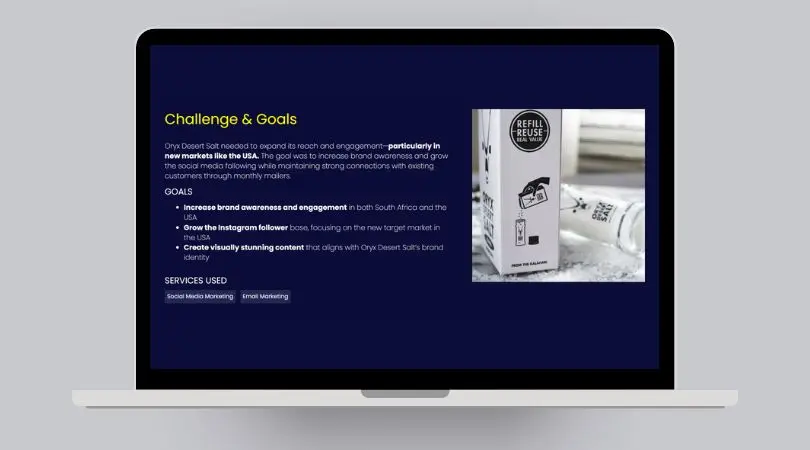
For Oryx Desert Salt, a premium product with a niche market, we crafted a strategy focused on building their brand presence internationally. By targeting both local and international audiences, this case study resonates with other businesses looking to break into new markets.
2. Outline the problem clearly
Every great case study starts with a well-defined problem. Was the client facing operational inefficiencies? Struggling to scale? Make sure you’re crystal clear about the challenge they faced. When prospective clients see their own challenges reflected, they’re more likely to stay engaged.
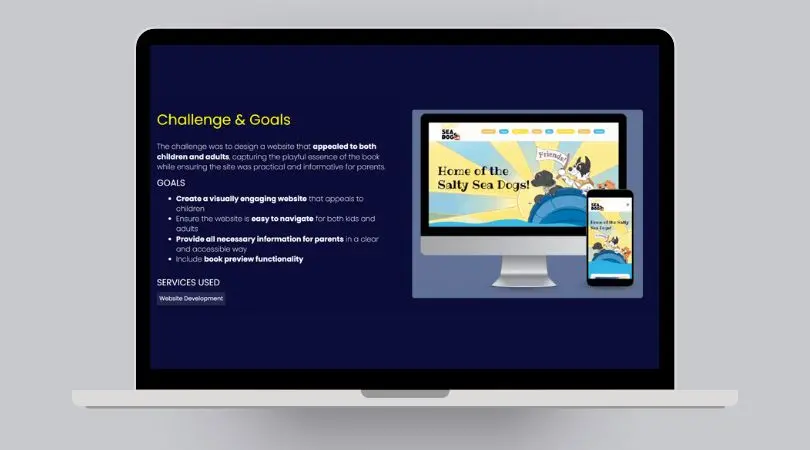
In our Salty Sea Dogs case study, the challenge was to design a website that appealed to both children and adults, capturing the playful essence of the children’s book while ensuring the site remained practical and informative for parents. By clearly defining the need for a balance between a fun, engaging experience for kids and a functional, easy-to-navigate platform for adults, we connected with businesses facing similar web design challenges.
3. Show the business impact
It’s not enough to just say what you did—you need to show the difference it made. Did revenue increase? Did website traffic skyrocket? Be specific, and don’t shy away from numbers.
Take our work with JumpforEntrepreneurs as an example.
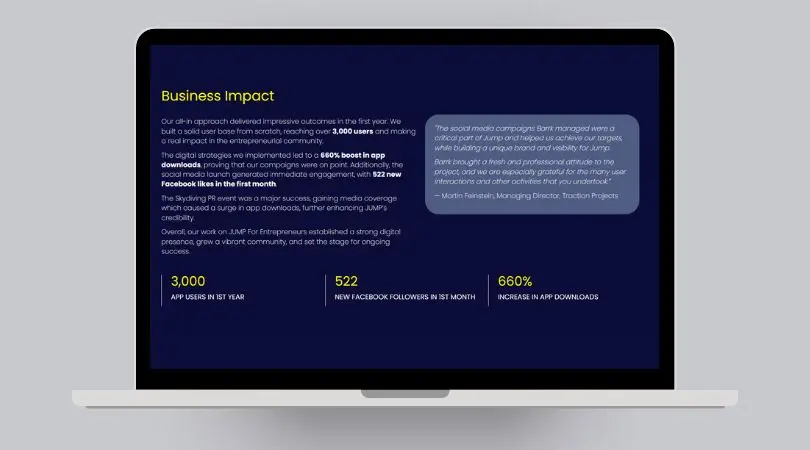
We helped them grow their brand visibility and engagement across multiple platforms, which resulted in a significant boost in participation and a stronger community presence online. These kinds of tangible results speak volumes and show potential clients the value of working with you.
4. Highlight what makes your solution unique
What sets your business apart from competitors? Did you implement a specific tool or offer a unique approach that no one else could? This is your opportunity to showcase how your solution stands out. Whether it’s a tailored strategy, advanced technology, or a customised process, be clear about what makes your approach different.
For example, with RE/MAX Living, we went beyond a simple marketing push—we crafted a targeted social selling strategy on LinkedIn.
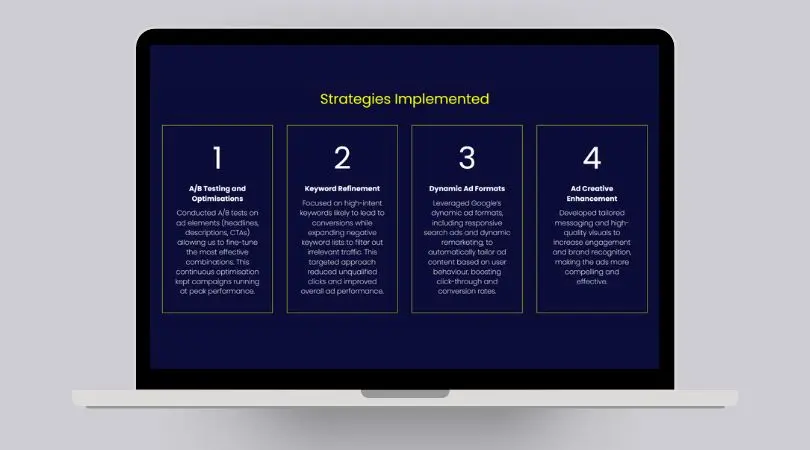
By leveraging advanced automation tools and the professional network of their Managing Director, we generated 33 high-quality leads and set up 10 valuable meetings with local real estate agents within just three months. Our focused approach made a real impact on their recruitment process, showcasing how a tailored solution can drive exceptional results.
5. Add visuals and data
No one wants to slog through endless paragraphs of text. Break up the information with visuals like graphs, screenshots, or even client quotes. This makes the information more digestible and helps highlight key results at a glance.
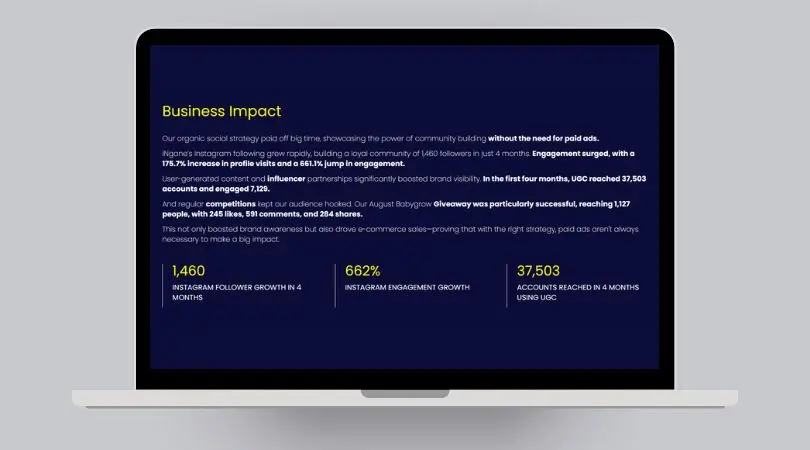
In our Ingane case study, we incorporated visual storytelling by showcasing the impact of their charity events through compelling images and infographics. This helped highlight the increase in donations and community engagement, making the data more relatable and the case study more engaging.
Wrapping It Up
In B2B marketing, case studies are your secret weapon. They provide proof that prospective clients need to feel confident in your services. By choosing the right clients, clearly defining the problem, showcasing the business impact, and using visuals to back it all up, you can create case studies that not only engage but also convert.
Need a little inspiration? Check out some of the case studies we’ve crafted for our clients on our case study page. They’ve helped us build trust, showcase expertise, and, most importantly, win new business.